Thinking about turning your Nazareth basement into a bright playroom, home office, or guest suite? You are not alone. Basements in the Lehigh Valley offer real potential, but success starts with a smart plan that addresses radon, moisture, and local permits before you pick paint colors. In this guide, you will learn how to navigate Nazareth’s rules, prioritize safety, budget with confidence, and design a space your household will actually use. Let’s dive in.
Start with safety checks
Before any design work, confirm the space is safe and dry.
- Test for radon. Northampton County is in the EPA’s highest potential zone. The EPA recommends testing every home, and you should test the basement level before finishing. See the EPA’s Map of Radon Zones and the PA DEP’s guidance on radon in the home. If levels exceed 4 pCi/L, plan mitigation first.
- Inspect for water entry. Nazareth’s humid summers and seasonal rains can push moisture through foundations. Look for damp spots, efflorescence, or musty odors. A layered approach is best, from grading and gutters to interior drains and dehumidification. This Philadelphia-area waterproofing guide outlines common solutions used in our region.
- Address mold risk. Keep basement humidity between 30 and 50 percent and dry any water issues quickly. The EPA’s brief guide to mold and moisture explains how to prevent problems before you cover walls.
Know local permits
Most basement finishes need permits. In Nazareth Borough, permits are required for construction, structural changes, added bedrooms, new or relocated plumbing, electrical work, and egress windows.
- Start with Nazareth’s forms page to see what is required and how to apply. Review the Borough’s Forms and Documents and contact the code office with your plan.
- Pennsylvania enforces the Uniform Construction Code. Confirm who handles plan review and inspections for your project. The state explains jurisdiction and process on its UCC overview for plan review and inspections.
Tip: Ask the Borough about submittal requirements, inspection milestones, fees, and expected turnaround time before you sign a contract.
Control water and humidity
You will protect your investment by managing water first, especially in older Nazareth homes with stone or early concrete foundations.
- Fix outside grades and gutters so water flows away from the house.
- Add interior perimeter drains and a sump pump with battery backup if you see chronic seepage.
- Use vapor barriers, moisture-tolerant wall systems, and a whole-basement dehumidifier. Aim for 30 to 50 percent relative humidity.
Solving moisture before you finish reduces mold risk and prevents damaged finishes later.
Plan for code items
A safe, comfortable basement depends on a few key code-driven details.
- Egress for bedrooms. If you plan a bedroom, you will need a code-compliant emergency escape opening. The IRC sets minimum clear opening dimensions and maximum sill height. Review typical egress window and well sizes in this summary of egress window requirements.
- Ceiling heights. Habitable rooms generally require around 7 feet of clear height, with limited exceptions for existing basements. Learn the basics in this overview of residential ceiling height rules.
- Electrical, plumbing, HVAC. New circuits, lighting, and any bathroom additions will need trade permits and inspections. Basements often benefit from dedicated HVAC zoning or a ductless system plus dehumidification.
- Alarms and separation. Install required smoke and carbon monoxide alarms, especially if you add sleeping areas.
Set a realistic budget
Costs vary with moisture fixes, egress work, and finish level. Recent remodeling data shows:
- Basic finish, open plan: often about 30 to 60 dollars per square foot.
- Mid-range with a bath or built-ins: commonly 50 to 100 plus per square foot.
- High-end with custom features: 100 to 150 plus per square foot.
See a breakdown of typical ranges and common cost drivers in this overview of basement remodel costs. For resale, national surveys often show finished basements recoup roughly 60 to 75 percent of cost, depending on scope and market. Review current insights in the industry’s Cost vs. Value report.
Budget tip: Egress windows, waterproofing, radon mitigation, and bathroom plumbing are frequent drivers of scope and cost. Get at least three local bids with itemized line items.
Map your timeline
- Small finish projects: a few weeks to 2 months, including permits and inspections.
- Mid-range projects with a bath or egress window: about 6 to 12 weeks.
- Structural changes or underpinning: plan for several months.
Confirm permit lead times with Nazareth Borough early so scheduling stays on track.
Choose the right contractor
Pennsylvania’s Home Improvement Consumer Protection Act requires contractor registration and clear contracts.
- Verify PA registration and insurance. Ask for the HIC registration number and certificates of insurance. Review the law’s basics in the HICPA statute on home improvement contracts.
- Ask informed questions. Who will pull permits and coordinate inspections? What waterproofing warranty is included? How will radon mitigation be handled if your test is elevated? Will you receive as-built notes and manufacturer warranties?
- Get itemized bids. Require written scopes that separate demolition, framing, electrical, plumbing, HVAC, egress work, waterproofing, finishes, and permit fees.
Family-friendly design ideas
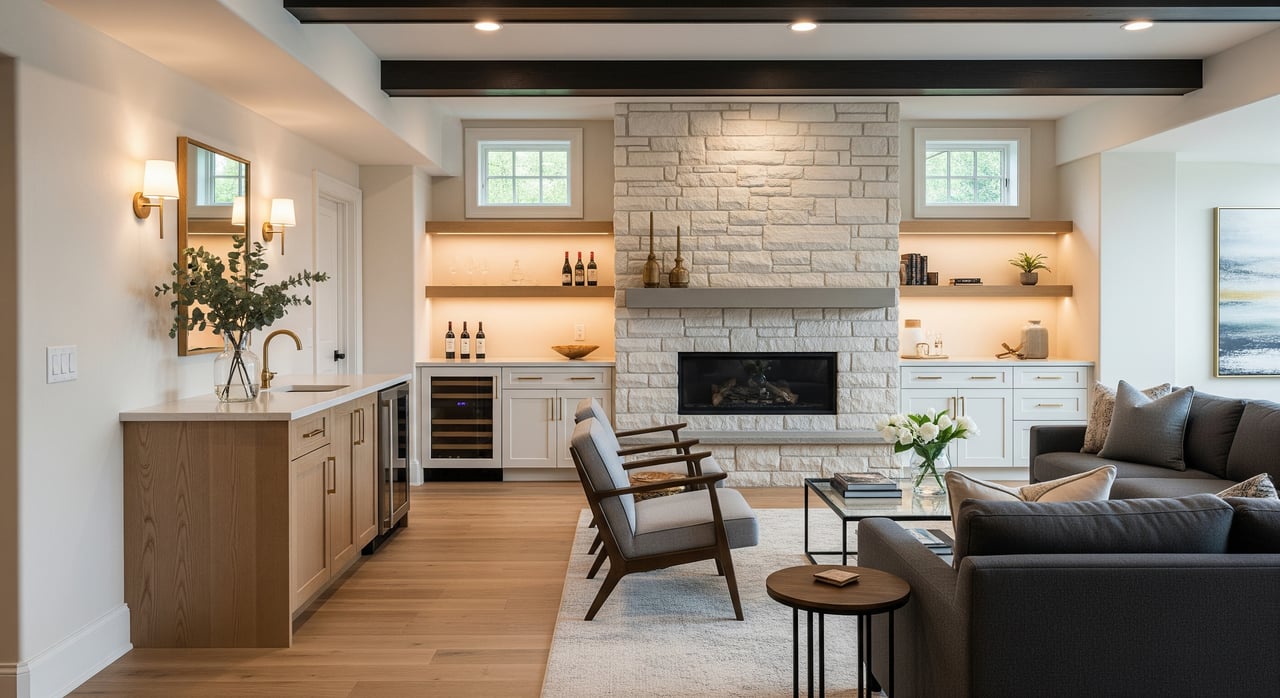
Nazareth homes range from historic to newer builds, so tailor finishes to your foundation and your lifestyle.
- Prioritize durability. Choose moisture-tolerant flooring like LVP, tile, or sealed concrete. Use mold-resistant drywall or cement board in wet zones.
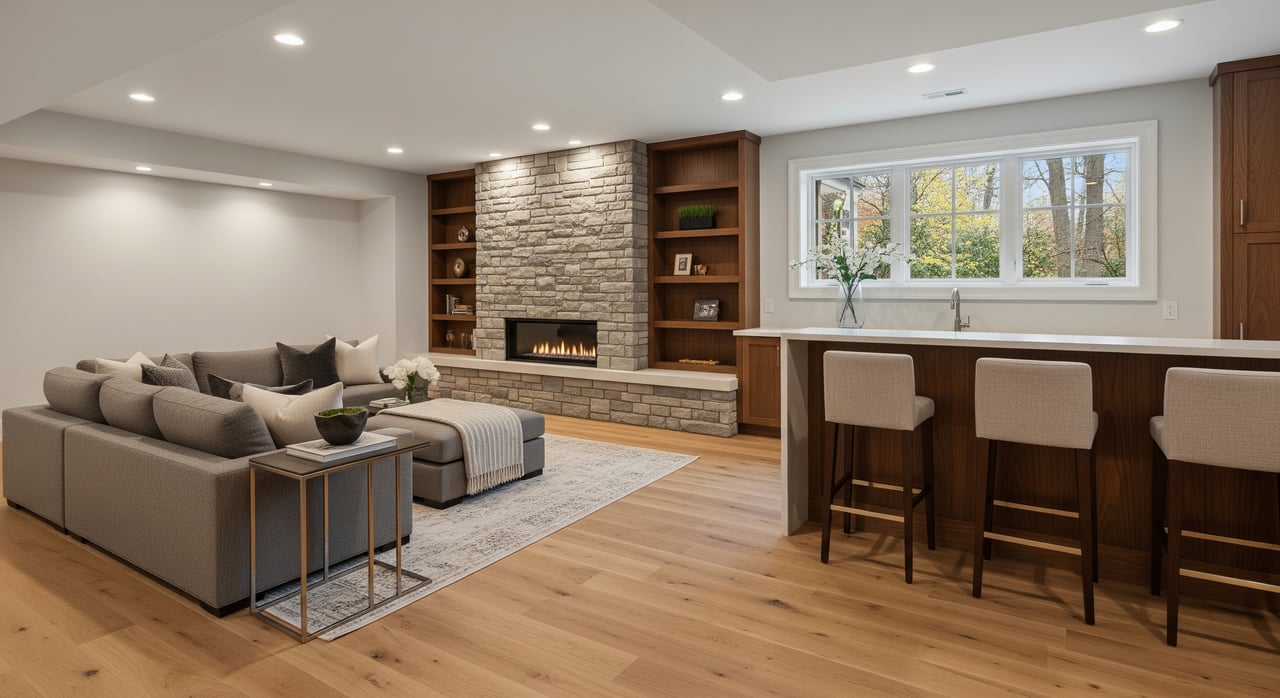
- Plan storage. Add built-ins for toys and gear. Keep mechanicals accessible for service.
- Improve light and acoustics. Increase natural light with larger compliant windows where feasible, and use LED lighting with dimmers. Insulate basement ceilings to reduce sound from upstairs.
A simple step-by-step plan
- Test radon and inspect for moisture.
- Map the layout and confirm egress and ceiling height feasibility.
- Meet the Nazareth code office to clarify permits and inspections.
- Get three itemized bids from registered contractors and check references.
- Solve water issues and schedule any radon mitigation first.
- Pull permits, then complete framing, trades, insulation, and finishes.
- Schedule required inspections and keep records for resale.
Wrap up
A well-planned basement can add flexible living space, boost comfort, and support future resale. Start with safety, build a clear scope, and hire the right team so your investment performs in Nazareth’s climate and housing stock. If you want help aligning renovation choices with your long-term home goals or potential resale, connect with John Dally for local guidance.
FAQs
Do Nazareth basements need permits to finish?
- Most basement projects need building permits, and trade permits for electrical and plumbing. Start with the Borough’s Forms and Documents and speak with the code office.
Why test for radon before finishing a basement?
- Northampton County is a higher-potential radon area. Test first and, if levels exceed 4 pCi/L, plan mitigation before you close walls. See the EPA’s radon zone map.
How do I keep a finished basement dry long term?
- Fix grading and gutters, add interior drains and a sump with backup if needed, use vapor barriers, and run a dehumidifier. The EPA’s mold and moisture guide outlines key steps.
What are the rules for egress windows in basement bedrooms?
- Bedrooms require an emergency escape opening that meets minimum size and sill-height rules. Review common dimensions in this summary of egress requirements.
What ROI should I expect from a finished basement?
- Industry reports often show about 60 to 75 percent cost recouped, depending on scope, finishes, and local demand. See the latest Cost vs. Value insights.